Away from home Medical
Injured on a trip abroad: check the health plan first, then travel medical
Many US health plans stop at the border or pay only in limited cases. Travel medical insurance fills that gap if you bought it, and evacuation is a separate promise.
By Lane Policy Editorial Team Updated 7 min read
- Pays first
- Health plan, if it applies
- Pays next
- Travel medical, if bought
- Left for you
- Evacuation unless included
- You Starts: You break a leg on a trip abroad
- Health plan Decision: Does your health plan cover care abroad?
- Health plan It pays under its own network rules
- Pet, travel, other Travel medical pays, usually after other plans
- You Ends: You pay what neither one covers
- Pet, travel, other Evacuation is paid only if a policy includes it
The bottom line
The first question is whether your health plan pays for care abroad at all. The State Department says some insurers pay customary and reasonable hospital costs overseas but very few pay for medical evacuation, and Medicare generally does not cover care outside the United States. If your plan does not apply, travel medical insurance, which the National Association of Insurance Commissioners (NAIC) calls secondary health and accident coverage, may pay. The Centers for Disease Control and Prevention (CDC) says care abroad usually has to be paid up front and claimed back.
The gate at the start of the drawing
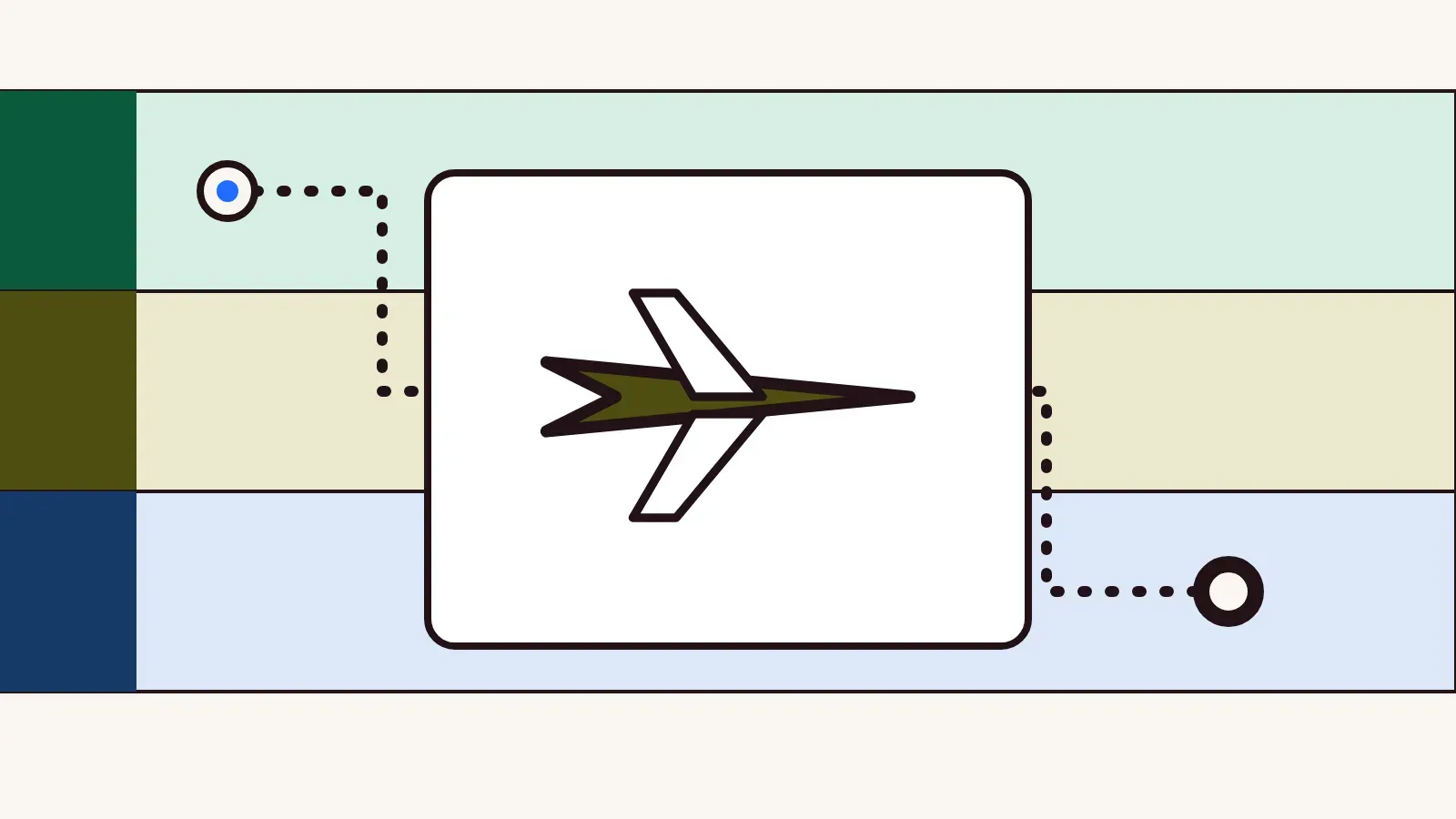
The drawing above opens with a broken leg and one question: does your health plan cover care abroad? If it does, it pays, and the route runs straight to what you owe. If it does not, the route goes to travel medical insurance, if you bought it, and then to evacuation, which is paid only if the policy includes it. Everything is routed by what you hold before you leave.
The CDC says some US plans cover emergencies abroad, but only under specific circumstances, and the plan may not cover trip cancellation. The NAIC says standard health plans and Medicare likely will not cover you abroad. Both agree on the practical step, which is to ask your insurer before departure, and to put the answer in writing.
Lane one, your health plan
The State Department says to learn what medical services your health insurance will cover overseas, and notes that some insurers pay "customary and reasonable" hospital costs abroad. The CDC says to ask whether the plan has in-network providers at your destination and whether it needs preauthorization. Ask how the plan treats a foreign hospital, because a plan that does pay may price that care differently from care at home. See health insurance basics for how deductibles and coinsurance work at home.
- Many foreign providers do not accept insurer payment directly, the CDC says, so care usually has to be paid up front by cash or card, and you claim it back.
- Keep every bill, receipt and summary record. The CDC says to send them to the insurer for reimbursement and to confirm the insurer reimburses out-of-pocket payments.
- Carry your insurance card and a claim form, as the State Department advises.
If you are on Medicare, Medicare.gov says it usually does not cover health care outside the US. In rare cases it pays for inpatient hospital care and the doctor and ambulance services during that stay. Foreign hospitals are not required to file Medicare claims, so you may need to send an itemized bill yourself. The CDC says some Medigap plans may cover 80% of certain emergency care abroad if it begins in the first 60 days of travel, after a $250 yearly deductible, up to a $50,000 lifetime maximum. Check your own plan letter.
Lane two, travel medical insurance
The NAIC describes travel medical as secondary health and accident coverage for illness or injury while traveling. It is different from a travel policy that protects trip costs: the State Department says travel insurance covering lost baggage and canceled flights generally does not cover medical expenses, while travel medical insurance covers medical care abroad. Travel insurance explains the pieces and which ones are bundled.
Read the exclusions. The NAIC lists pre-existing conditions, pandemics, civil or political unrest, pregnancy and childbirth, and risky activities such as bungee jumping, backcountry skiing and snowboarding as common exclusions. The CDC adds that conditions that needed hospitalization or direct medical intervention in the 90 days before departure are often excluded, and that in one study it cites, pre-existing illness and poor documentation were the main reasons claims were not paid in full. The NAIC says travel insurance usually costs 5% to 10% of the total trip price.
Lane three, getting home
Evacuation is its own promise. The State Department says medical evacuation can cost more than $50,000 depending on location and condition, and that very few health insurers pay for it. The NAIC says most US health insurers will not pay for overseas repatriation or transport to the nearest appropriate facility. The CDC gives rough figures of about $25,000 for transport within North America and more than $250,000 for distant or remote places, and says medevac is the insurer's decision, not the traveler's, and typically needs hospitalization with several more days expected or specialized care that is not available locally.
If you want the cover, it has to be in the policy. The CDC suggests checking whether a policy has a 24-hour physician-backed support center and whether it covers repatriation to your home country. The drawing says evacuation is paid only if included, and that is the plain version of those points.
A worked example
Invented numbers, round, to show the shape. A traveler breaks a leg abroad. The hospital bill is $18,000 and is paid on a card at the hospital. Compare three ways the trip could have been set up. These amounts are not typical and are not promised by any source.
| Setup | What pays | You keep |
|---|---|---|
| Health plan covers emergency care abroad | Plan reimburses $11,000 after its deductible and coinsurance | $7,000, less any travel medical secondary payment |
| Health plan does not apply, travel medical bought | Travel medical pays $17,000 after a $1,000 deductible | $1,000 |
| Neither applies | Nothing is paid | The full $18,000 |
Evacuation is a separate line. If the policy includes it, it pays under its own terms. If it does not, the flight home is yours to pay for, and the State Department says that can run past $50,000. A family can usually plan for that gap only before the trip.
Before you go and after the injury
- Before the trip, ask your health insurer in writing what it pays abroad, how to claim and whether evacuation is included.
- If you buy travel medical, read the exclusions, the preauthorization rule and the pre-existing condition wording against your own health history.
- After an injury, get care first, then call the insurer or the policy's support line if it requires notice or approval.
- Pay as needed, and keep every bill, receipt and report. The CDC says to keep summary records for reimbursement.
- If you cannot get funds, contact the nearest US embassy or consulate. The CDC says the State Department may offer a limited emergency medical loan that must be repaid and can restrict the passport.
If the injury leaves you unable to work, see disability insurance, and if a policy gap shows up, gaps between policies explains how they form. For a similar trip claim, read a rental car crash.
Quick answers
Does my US health insurance cover me abroad?
Sometimes. The CDC says some plans cover emergencies abroad, but only in specific cases, and the State Department says to check what yours covers overseas. Ask your insurer before you leave.
Does Medicare pay for care outside the United States?
Medicare.gov says it usually does not, with rare exceptions. The CDC says some Medigap plans may cover certain emergency care in the first 60 days of a trip, with a deductible and a lifetime cap. Check the exact plan.
Will the US embassy pay my hospital bill?
No. The State Department says embassies do not pay medical bills and the patient is responsible. They can help you find medical services, contact family and help transfer funds.
Is medical evacuation covered by travel insurance?
Only if the policy includes it. The NAIC lists medical evacuation as a separate coverage, and the State Department says very few health insurers pay for it. Read the policy for whether it is included and what it requires.
Sources
- US Department of State: Your health abroad
- CDC Yellow Book: Travel insurance, travel health insurance and medical evacuation insurance
- Medicare.gov: Travel outside the U.S.
- NAIC: Travel insurance
- NAIC: Should I get travel insurance?
Facts checked on November 22, 2026. Evacuation costs are rough ranges from the State Department and the CDC and vary widely. No opened source confirmed how a health plan prices care abroad, so no out-of-network figure is given. Health plans, Medigap plans and travel policies differ; confirm with your insurer and your state department of insurance. This page is general education, not advice about your own policy.
-
Lane guide
Travel insurance
Trip cost, bags and care abroad: what each cover pays, what it leaves out and what to read first.
-
Lane guide
Health insurance basics
Premium, deductible, coinsurance and the yearly cap, plus network rules and who goes first.
-

Handoff
Health insurance or med-pay
Med-pay, PIP and your health plan can all pay crash bills. The order depends on your state and plan.